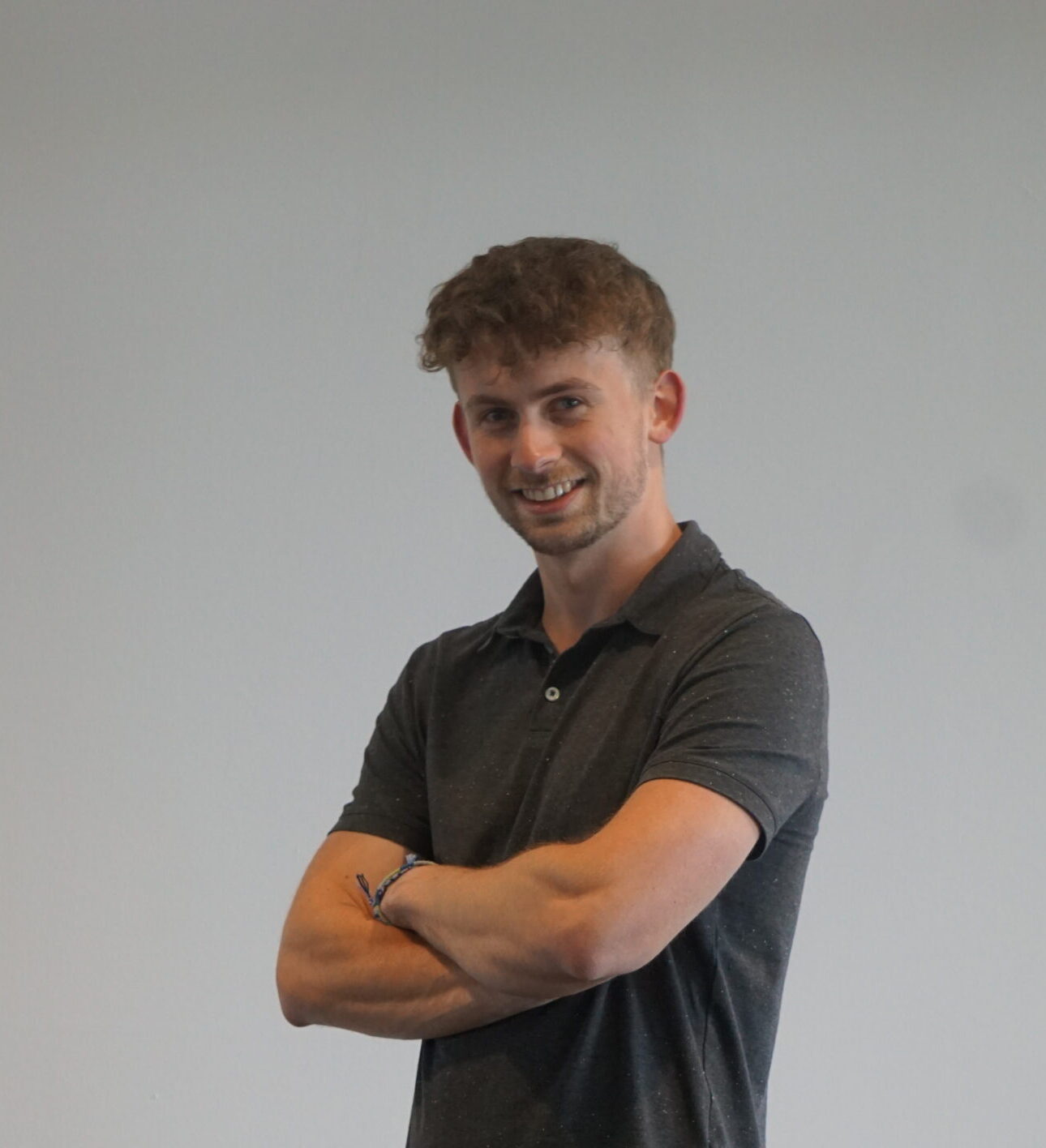
Christian: RISC Software GmbH operates a routing server that also has the task of calculating the optimal route between two points in a traffic network. This calculation currently takes a lot of time, which leads to long waiting times when several queries arrive in a short period of time. The aim of the work is to speed up the calculation of the route in order to minimize waiting times. We achieved this goal through the highway node routing algorithm. This extracts the important roads step by step and calculates a hierarchy in the process. This hierarchy significantly speeds up the calculation and does not affect the correctness of the calculation.
Where are the Concrete Problems in Real Applications / What Were the Challenges of the Topic?
Christian: The topic was chosen so that the new implementation can be used on the current server, which makes the work very practical. It also has a motivating factor when you know exactly what you are doing the work for. The challenge was to apply the textual description of the algorithm to the current architecture. Since the two graph structures from literature and practice are very different.
Karoly, What Skills Did Christian Show in the Course of His Master’s Thesis, What Was Solved Particularly Well?
Karoly: We supported Christian Huber from the provision of the software package that was needed to read and process the graph of the Austrian road network, to a list of literature. In regular meetings, we followed the progress of his work and discussed his emerging questions. The first thing I would like to emphasize about him, however, is his ability to work independently and alone. He succeeded in familiarizing himself with the given software framework, he showed a good understanding of the relevant state-of-the-art research and successfully put the theory into practice with our guidance.
Christian was very motivated and enthusiastic about the chosen topic during our collaboration, which was also a key factor in the successful completion of his bachelor thesis.
How did you come to write the thesis at RISC Software GmbH and what was the supervision and the process like?
Christian: It all started through my cousin, who is employed at RISC Software GmbH. He gave me the idea to do an internship at RISC Software GmbH. Which I did. At the end of the internship, I inquired whether it would be possible to write a thesis here. Since everything is very theoretical at the university, I wanted to establish a practical reference in order to get a better insight into the corporate world. To my satisfaction, this was quickly granted to me. The support was extremely good. We already knew each other from the internship, which made the whole thing even more pleasant.
In which fields of activity would you like to work in the future? What are your plans for the future?
Christian: I am currently in the middle of my master’s studies with a focus on data science and a minor in software engineering. I would like to stay in this field of activity, as I find the mixture of the two very exciting. After completing my master’s degree, I will enter the professional world, where I want to expand and apply my knowledge.
We’ve received your documents and will review your application carefully. As soon as we have feedback for you or need any additional information, we’ll get in touch.
Thank you for your interest – we’re excited to learn more about you! In the meantime, feel free to pass the time by discovering a bit more about us 🙂